Dart Surround Board: Complete Buying Guide (2026)
Learn what a dart surround board is, how it protects walls, and how to choose the right size and thickness. Fitting tips, materials, and compatibility explained.
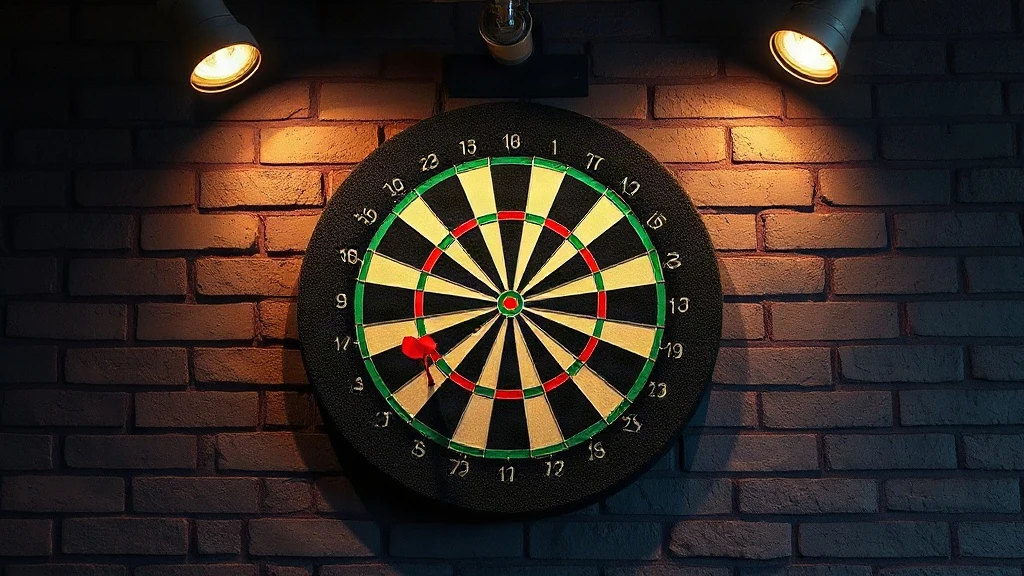
Dart surround board is a protective ring made of foam, rubber, or cork that fits around a standard dartboard to catch stray darts and shield the wall from damage.
- Surrounds come in two common inner sizes: 17 inches and 20 inches to fit most dartboards.
- Thickness ranges from 10 mm to 25 mm, with thicker options offering better shock absorption.
- Foam surrounds are lightweight and affordable, while rubber and cork models are more durable.
If you are setting up a darts area at home, you have probably noticed that a dartboard alone leaves your wall vulnerable. A dart surround board is a simple, affordable accessory that catches stray darts and prevents unsightly holes. This guide explains what it is, why you need one, and how to pick the right size, thickness, and material for your setup. It also covers fitting tips and whether it works with every dartboard.
Whether you are a casual player or a serious fan who follows the Grand Slam of Darts 2025 or the World Darts Championship 2026, a good surround keeps your practice area safe and your darts in play. It is a small investment that saves your wall from permanent damage.
What is a dart surround board?
A dart surround board is a protective ring that mounts around your dartboard. It is typically made of foam, rubber, or cork and sits flush against the board to cover the wall around it. The surround catches darts that miss the board, preventing them from hitting the wall or floor and reducing the risk of bounce-outs.
Most surrounds have a circular opening that matches the diameter of a standard dartboard, which is 451 mm (17.76 inches) according to the Professional Darts Corporation. The surround extends outward to create a safe zone that absorbs impact. Some models even include integrated LED lighting for a professional look, but the core function is always protection.
Why do you need a dart surround board?
Without a surround, every missed dart can leave a mark on your wall, chip paint, or even break drywall. A dart surround board absorbs the impact of stray darts, keeping your wall clean and your darts intact. It also reduces bounce-outs, because a dart that hits the surround is less likely to rebound onto the floor where it could bend or break.
Surrounds also help define your playing area. They give you a clear target zone and make your setup look more polished. If you practice regularly, a surround protects not just your wall but also your darts from unnecessary wear.
Key dart surround board dimensions and stats
Here are the most important numbers to know when shopping for a dart surround board:
| Measurement | Standard Value | Source |
|---|---|---|
| Standard tournament dartboard diameter | 451 mm (17.76 in) | PDC rulebook, 2024 |
| Common surround inner sizes | 17 in (43 cm) and 20 in (51 cm) | Winmau and DartShopper product ranges, 2024 |
| Typical surround thickness | 10 mm to 25 mm | Manufacturer specifications, 2024 |
These figures come from official sources and popular darts retailers. Always measure your dartboard before buying a surround, because some non-standard boards may need a custom fit.
Dart surround board materials: foam vs rubber vs cork
Surrounds are made from three main materials, each with its own benefits. The table below compares them:
| Material | Pros | Cons | Best For |
|---|---|---|---|
| Foam | Lightweight, affordable, easy to mount | Less durable, can compress over time | Casual players on a budget |
| Rubber | Durable, good shock absorption, resists wear | Heavier, slightly more expensive | Frequent players and clubs |
| Cork | Natural look, very durable, excellent grip | Heavy, harder to find, higher price | Premium home setups |
Foam is the most common choice for beginners because it is cheap and easy to install. Rubber offers better longevity and is a popular mid-range option. Cork provides a classic aesthetic and superior durability but costs more. Choose the material that fits your budget and how often you play.
How to choose the right size dart surround board
The size of your surround matters because it must fit your dartboard correctly. Most standard dartboards have a diameter of 451 mm (17.76 inches). Therefore, a surround with an inner opening of 17 inches (43 cm) will fit most boards snugly. A 20-inch (51 cm) opening gives a bit more margin and is often used for larger boards or when you want a bigger safe zone.
Measure your dartboard before buying. Use a tape measure across the center of the board to get its exact diameter. Then choose a surround with an inner size that is equal to or slightly larger than that measurement. If you have a non-standard board, check the manufacturer's specifications for compatible surrounds.
How to choose the right thickness
Thickness affects how much impact the surround can absorb. Thinner surrounds, around 10 mm, are lightweight and fine for light use. Thicker surrounds, from 20 mm to 25 mm, offer better shock absorption and are more likely to stop a dart cleanly without bounce.
Thicker surrounds also provide a larger cushioning area, which helps protect the wall from accidental hammering when you remove darts. If you play often or have young players in the house, a thicker surround is a safer choice. For occasional games, a 10 mm to 15 mm model is usually sufficient.
How to fit a dart surround board
Fitting a dart surround board is straightforward and usually takes less than ten minutes. Here are the steps:
- Mount your dartboard securely on the wall using the proper bracket, ensuring the center of the bullseye is 5 feet 8 inches (1.73 m) from the floor, as recommended by the PDC.
- Place the surround around the board, aligning the opening with the board's face.
- Press the surround firmly against the wall. Many surrounds come with self-adhesive strips or mounting screws. If using screws, install them through the pre-drilled holes in the surround into the wall.
- Check that the surround sits flat and does not wobble. Adjust if needed.
Some surrounds have a split design that lets you wrap them around an already mounted board. Others are one-piece and need to be slid over the board before mounting. Always read the product instructions to avoid damage.
"The throwing line, or oche, is set at 7 feet 9.25 inches from the face of the dartboard."
PDC Rulebook
Does a dart surround work with any dartboard?
Most dart surround boards are designed to work with standard 451 mm dartboards, which are used in professional events like the Grand Slam of Darts 2025 and the World Darts Championship 2026. If you have a standard board, any surround with the correct inner size will fit. For electronic dartboards, which have a different shape and size, you need a surround made specifically for that model.
Always check the product description for compatibility. Some surrounds are universal and fit multiple board types, but others are brand-specific. When in doubt, contact the manufacturer or retailer with your board's model number.
How to maintain and clean your dart surround
A dart surround board collects dust and can get scuffed over time. To keep it looking good, wipe it down with a damp cloth regularly. Avoid harsh chemicals that can damage foam or rubber. For stubborn marks, use a mild soap solution and rinse with a clean cloth.
Inspect the surround periodically for cracks or deep dents. If the foam starts to compress or tear, replace it to maintain proper protection. A well-maintained surround can last for years, especially if you choose a durable material like rubber or cork.
Frequently Asked Questions
What is the best size dart surround board?
The best size depends on your dartboard. For a standard 451 mm board, choose a surround with a 17-inch (43 cm) inner opening. A 20-inch (51 cm) opening provides a larger safe zone and is also compatible with most standard boards.
How thick should a dart surround be?
For light home use, a 10 mm to 15 mm thick surround is sufficient. For frequent play or extra impact protection, choose a 20 mm to 25 mm model. Thicker surrounds reduce bounce-outs and protect the wall better.
Can you use a dart surround with any dartboard?
Standard 451 mm dartboards work with most surrounds, including those used in professional events. Electronic dartboards have a different shape and need a surround made specifically for that model. Always check compatibility before buying.
How do you fit a dart surround board?
Mount the dartboard first, then place the surround around it. Use adhesive strips or screws to secure it to the wall. Ensure the surround sits flat and does not wobble. Most surrounds install in under ten minutes.
Are dart surrounds worth it?
Yes. A dart surround protects your wall from stray darts, reduces bounce-outs, and extends the life of your darts. It is a low-cost accessory that saves you from expensive wall repairs, making it a worthwhile investment for any player.
Next story

Raj Shamani Net Worth 2026: Career, Earnings & Income
Raj Shamani net worth in 2026: how the podcaster and entrepreneur earns from YouTube, brand deals, investments, and the Figuring Out podcast.